

Step into a procurement discussion regarding the purchase of industrial pipe systems, and you will invariably come across the same four topics being dissected to bits. Grade, size, thickness, price. Surface finish, if it even comes up, receives one sentence before the discussion goes elsewhere.
It is no surprise that this happens. Surface finish seems like it would be part of an aesthetic discussion, but it isn’t. It is part of engineering, and the consequences of that mistake manifest themselves after installation in the form of costly fixes.
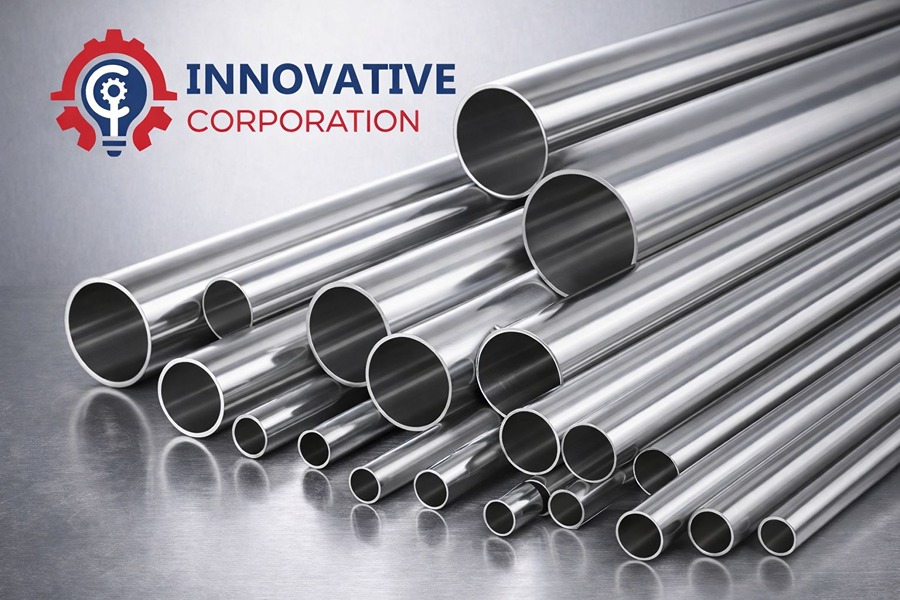
Surface Finish Is a Functional Specification
The surface of a stainless steel pipe is not only the appearance of the pipe. It defines the state and the composition of the material where it meets whatever goes inside the pipe or around it. These interactions define whether the pipe works the way it is supposed to work or not.
The surface can have very different states – from the relatively rough state right from the production (mill finish) to the more polished surface resulting from cold rolling, pickling, mechanical polishing, and electro polishing. The surface can have very different properties because of that. Roughness influences cleanability. Surface composition influences the formation of the passive film.
The Grade Alone Does Not Solve the Corrosion Problem
This assumption causes the most trouble in industrial procurement. The thinking goes: we specified 316L for chloride resistance, so the corrosion concern is handled. The grade choice matters. But it does not make surface condition irrelevant.
Stainless steel resists corrosion because a chromium oxide passive layer forms at the surface. A surface contaminated during manufacturing or fabrication, with free iron particles from cutting tools or grinding equipment, has compromised passivity at those points. In a corrosive environment, those points become sites for preferential attack regardless of the base grade.
Grade and surface condition need to be evaluated together against the actual operating environment. One without the other is an incomplete specification.
What Fabrication Does to the Surface
The pipe arrives with a defined surface condition. What leaves after fabrication may be quite different. Welding creates heat-affected zones and weld scale. Grinding with incorrect abrasives introduces contamination. These are routine outcomes of standard fabrication practices that need to be addressed if the finished system has specific performance requirements.
Post-fabrication pickling and passivation removes the damaged surface layer and allows the protective passive layer to reform uniformly. Whether this is required depends on the application, but the decision needs to be made at the specification stage, not after installation.
Matching the Finish to the Application
Food processing, pharmaceutical, and dairy applications have defined surface roughness requirements, typically expressed as Ra values, because they relate directly to validated cleaning protocols. A surface rougher than the specification allows will not clean reliably to the required hygiene standard regardless of how rigorous the cleaning procedure is.
General industrial process applications have less stringent requirements but still benefit from a defined surface specification. Structural and utility applications typically have minimal surface requirements where standard mill finish is entirely appropriate, and anything more refined adds cost without practical benefit.
A trusted stainless steel pipe supplier in Gujarat with technical knowledge across available finishes can help buyers understand the options. The specification decision, however, must be grounded in engineering requirements rather than procurement convenience.
Inspection and Over-Specification
Defining surface finish in the purchase specification is only meaningful if the delivered material is verified against it. Visual inspection for contamination, inconsistent finishing, and handling damage needs to be part of the receiving process.
Experienced stainless steel pipe manufacturers in Ahmedabad who discuss finishing standards and inspection requirements before dispatch reduce surprises during project execution. The argument also runs the other way. Over-specifying surface finish for applications that do not require it adds cost without delivering any practical return. The right specification matches actual service requirements, not the tightest possible option.
Conclusion
Surface finish belongs in the technical specification conversation alongside grade and dimensions. It affects corrosion performance, cleanability, fabrication outcomes, and overall suitability for service conditions. Working with a reliable stainless steel pipe supplier in Gujarat and knowledgeable stainless steel pipe manufacturers in Ahmedabad who engage with these technical details makes the procurement process straightforward rather than something resolved under pressure after problems appear.
